
Explore Holistic Mind Wellness with Khake Shafa
Learn about up to date our commitment to natural mental health care, focusing on comprehensive, head-to-toe homeopathic treatments that support your overall well-being. (clinics near me)








Enhancing Your Mental Wellness with Holistic Care
Discover common mental health challenges and how Khake Shafa Homeopathic Clinic’s natural treatments offer effective, supportive care.
Mindful Stress Relief Techniques
Explore homeopathic remedies that help alleviate stress quickly and promote lasting emotional balance.
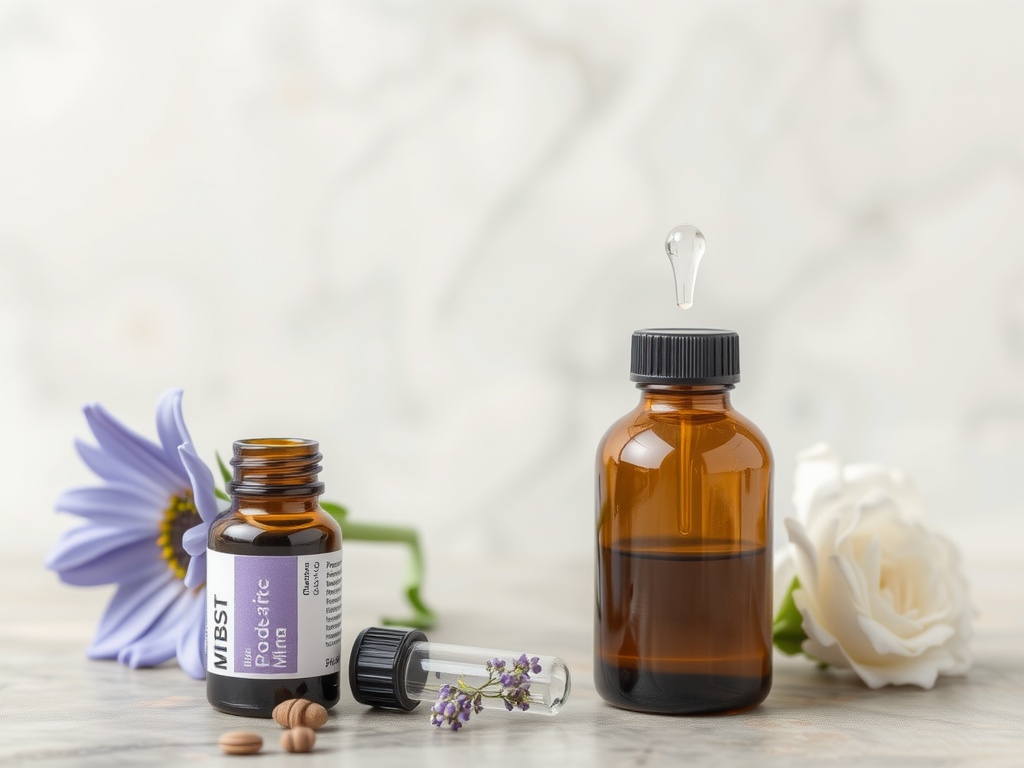
Improved Sleep and Relaxation
Learn how our specialized approaches encourage restful sleep and reduce anxiety for better overall wellness.
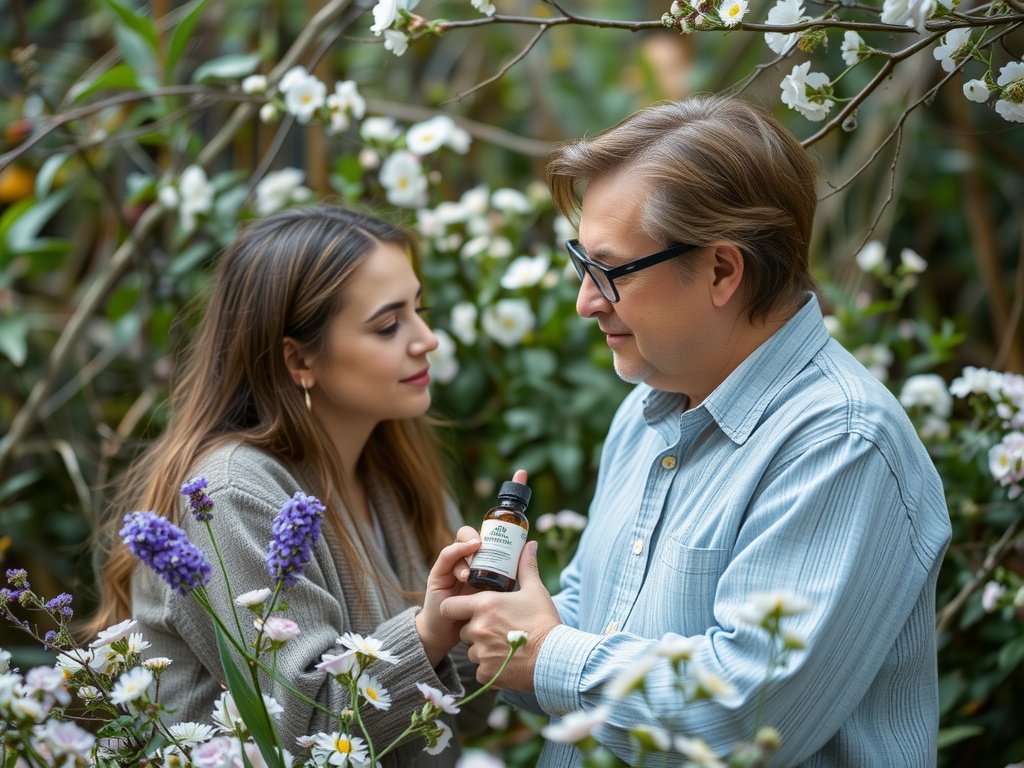
Emotional Resilience Building
Find out how our expert doctors support mental strength, turning challenges into opportunities for growth and healing.
Discover Comprehensive Mental Wellness
Gain valuable insights into holistic mental health care practices offered by Khake Shafa Homeopathic Clinic, emphasizing natural, head-to-toe treatment approaches.

Holistic Care Approach
Our expert doctors provide personalized natural treatments that nurture overall mental well-being.
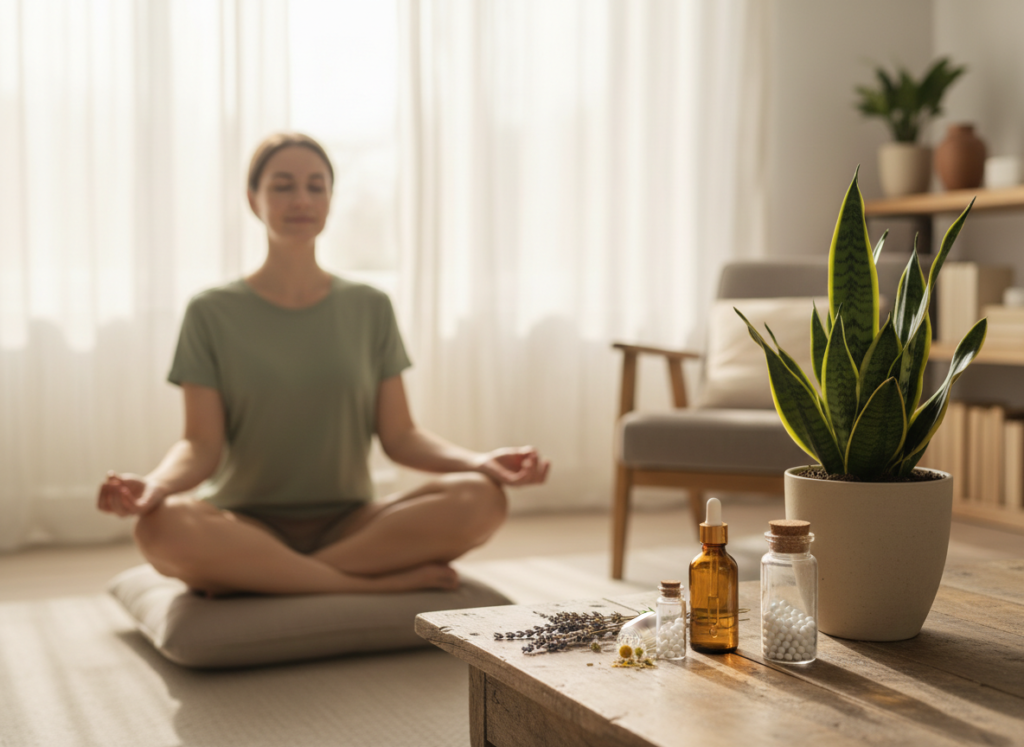
Homeopathic Remedies
Effective natural solutions designed to support emotional balance and mental clarity.
Complete Wellness Journey
Integrate mental health strategies with full-body care for lasting health and vitality.

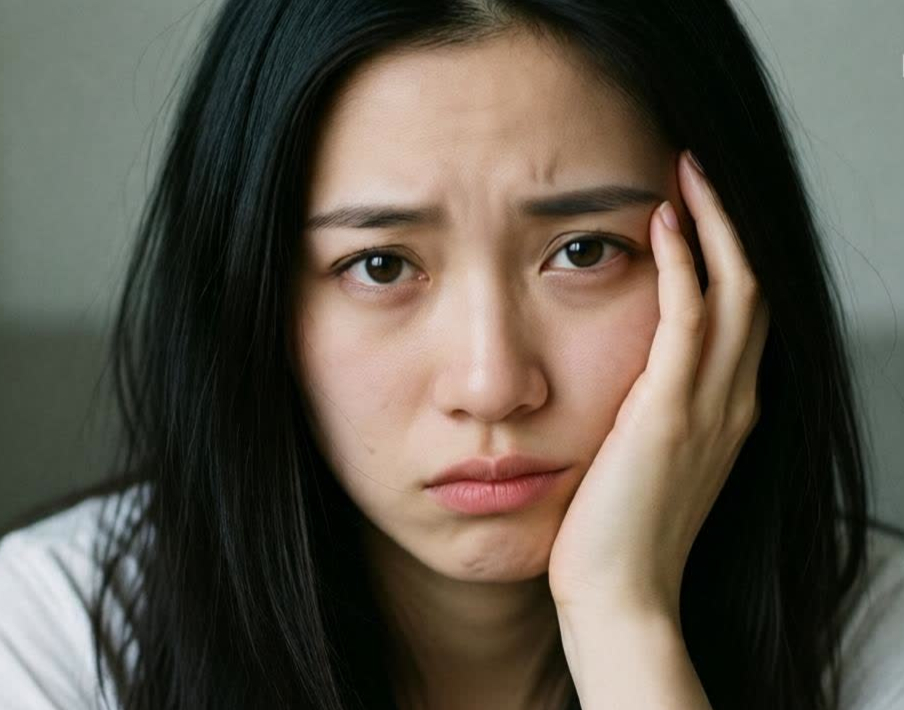
World of health information may be intending. It is not hard to form questions; what to eat, where to get reliable recommendations, etc. We have gathered the answers to the most common questions that you have, and they include the benefits of cooked vegetables.
Part 1: The definition of health.
Q: What do we define as health?
A: The most commonly used definition is a definition of the World Health Organization (WHO). According to it, health is a condition of total physical, mental and social well-being and not only the lack of sickness or weakness. This means that being healthy is more than not being sick and means feeling well in your body, mind and interpersonal relationships.
Q: What do you consider to be the definition of health?
A: The WHO definition is the gold standard but a modern and arguably better definition is the ability to adapt and manage oneself. This concept is also known as health as the ability to adapt and it acknowledges that health is not a static position, but rather a complex process of adapting to life and adjusting to life stresses, stresses, and changes physically and emotionally.
Q: In a short answer, what health is?
A: Health is, in a nutshell, that of total physical, mental and social well being. It forms the basis that helps people live their life to maximum possibilities.
Q: What does health truly mean?
A: Indeed, health means the vigor and stability to pursue aim, live and cope with its changes which are the inescapable aspects of life. It is a dynamic, positive notion which highlights the individual and the social resources, as well as the physical capabilities.
Q: What are the four concepts of health?
A: There are four fundamental concepts of health namely:
Physical Health: The healthy operation of the body including fitness, nutrition, sleep and being out of bad substances.
Mental health: Affective, emotional and cognitive functioning, entailing cognitive, affective and stress management.
Social Health: The ability to create rewarding relationships and communicate with other people, which are facilitated by a powerful network.
Spiritual Health: A feeling of purpose, meaning, and belonging to something bigger than oneself, and may arise out of religion, meditation, art or nature diets for anti inflammatory, healthiest weight loss diet, healthy eating and weight loss, normal diet for weight loss, use of healthy foods, sweet potato, gut health probiotics.

Part 2: The Veggie Magic (Expert tips)
Q: Which vegetables are healthier to cook?
A: Raw vegetables are also worthwhile but cooking could increase the nutritional value of some of them. Examples include:
Tomatoes: Lycopene, a powerful antioxidant, which lowers the risk of cancer and hypertension, is increased by cooking.
Carrots: Cooking is a process that breaks the cell wall allowing absorption of beta-carotene which is then changed to vitamin A in the body.
Spinach: The cooking substantially decreases the volume of spinach thus enabling one to consume it more and increases the bioavailability of calcium and iron.
Asparagus: Fibrous tissue is softened by cooking, and vitamins are more available A, C, E, and folate.
Mushrooms: Preparation increases the availability of potassium and B- vitamins.
Question: Which vegetable will help in heart health?
A: Vegetables are helpful in maintaining cardiovascular activity; however, especially spinach, kale, and collard greens deserve to be mentioned. They contain a great number of vitamins, minerals, and antioxidants that reduce the blood pressure, enhance the functioning of arteries and reduce the damage of cells.
Q: What vegetable is good in vision?
A: The carrots are known to be a health promoter in the eyes because they contain beta-carotene. To maintain complete health of the eyes, add:
Leafy Greens (Kale, Spinach): Is a good source of lutein and zeaxanthin that are antioxidants that help to shield the retina against phototoxicity.
Bell Peppers: Are rich in vitamin C, which is necessary to keep the eyes in good blood circulation.
Q: What vegetable is the king of vegetables?
A: It has no official name though broccoli often becomes a top contender. It is labeled a superfood as it has a variety of vitamins (C, K, A), minerals (potassium, iron), fiber, and powerful antioxidants and thus, it promotes almost every facet of health.
Q: Which is the main vegetable in the reduction of blood sugar?
A: There is no panacea vegetable, however, broccoli and broccoli sprouts are also worth mentioning because of sulforaphane. Sulforaphane has been indicated to have great anti-diabetic potential, which may help in glycaemic control. Other great substitutes are leafy green, okra and bitter melon.
Q: What is the vegetable that diabetic patients should avoid?
A: It should be focused on the conscious intake of starchy vegetables since they have a greater carbohydrate level and can raise the level of blood glucose more significantly. Examples include:
Potatoes (white and sweet ones)
Corn
Peas
Winter squash (butternut, acorn, etc.)
This does not mean that they should not be consumed at all but rather it is a reminder that people should be careful on the amount that they consume, especially when compared with non-starchy foods such as spinach or broccoli.
Q: Can diabetics eat cottage cheese?
A: Cottage cheese is usually a perfect type of food to be used by people with diabetes. It is rich in protein and low in carbohydrate hence has a low effect on blood glucose. The protein also helps to keep one full and may assist in weight loss. It is better to avoid added sugars using plain varieties.
Q: Are vegetables first before or after the diabetics?
A: It is a very good strategy indeed. Eating vegetable sources of fiber before consuming those sources of carbohydrates (including rice, bread, or potatoes) may significantly reduce glucose absorption rate, thus reducing post-prandial glycaemic spikes. This is given the name meal sequencing.
Q: Which opinion does Dr. Gundry have about cottage cheese?
A: Dr. Steven Gundry, who is a proponent of his so-called Plant Paradox diet, usually does not recommend standard dairy, such as cottage cheese. He argues that some of the proteins like casein A1 and related sugars might cause inflammation and digestive upsets in most people. However, he tends to leave goat or sheep milk, or A2 casein dairy, as being less inflammatory. In that case regarding cottage cheese, he would tend to prescribe a variant of this product based on A2 cow, goat, or sheep milk, as long as it is tolerated.
Part 3: How to Get a Reliable Medical Advice on the Internet.
Q: Which is the most credible medical information source?
A: The most reputable ones are usually the ones run by large governmental institutions as well as international recognized health institutions. Primary examples include:
The Centers of Disease control and prevention (CDC): www.cdc.gov.
The World Health Organization (WHO):www.who.int
The National Institutes of Health (NIH): www.nih.gov
Q: Which are some of the reputable medical websites?
A: The organizations that could offer highly reliable information are, besides the governmental sites mentioned above, the following:
Mayo Clinic: majo clinic.org.
Cleveland Clinic: my.clevelandclinic.org.
Medline Plus: medlineplus.gov (National Library of Medicine service)
National Health Service (NHS) (UK): www.nhs.uk.
Q: Is WebMD a credible source?
A: WebMD has been considered to be a trustworthy source of fundamental health information. It is a useful starting point of information relating to symptoms, conditions and treatments. However, due to the advertisement-based methods of financing WebMD and its commercial relationships to maintain, it is wise that the reader should complement the vital information with a noncommercial one, including the Mayo Clinic or a governmental site.
Q: What is better than WebMD?
A: It is in the decision on what is better based on individual needs. The websites with the suffixes of .gov (such as NIH or CDC) or those with a suffix of .edu are better when it concerns strictly factual, non-commercial, and researched information. The Mayo Clinic is often regarded as the gold standard in terms of the clinical, expert-reviewed descriptions of particular conditions.
Q: Is Healthline trustworthy?
A: Yes, Healthline may be viewed as a reliable and credible source. It has a strict editorial policy which entails a strict evidence based review procedure thus making sure that its material is to the required standard of reliability and accuracy.
Part 1: The definition of health.
Definition: What is health?
A: The most agreeable definition is that of the world health organization (WHO). According to it, health is the state of full physical, mental, and social life and not just the lack of disease or infirmity. In turn, health is not simply the lack of disease; it involves the physical fitness, the psychological stability, and the harmonious relations with people around.
Q: What is the most effective definition of health?
A: Although the WHO definition is considered the gold standard, a more modern definition, which is commonly called health as the ability to adapt, focuses on the self-management ability. This view has identified health as a dynamic, nonfixed state, which indicates the extent to which an individual is able to cope with the challenges of life, stresses, and the transformations in the physical and emotional level.
Q: In a short answer, what is health?
A: Concisely, health is a condition of full physical, mental and social wellness that allows one to flourish.
Q: What does health truly mean?
A: Indeed, health refers to the ability to have the energy and strength to move forward in the directions one desires, enjoy life and its unavoidable fluctuations. It is a dynamic and positive concept which emphasizes the combination of personal as well as social resources with the physical abilities.
Q: What are the four concepts of health?
A: There are four main concepts of health namely:
- Physical Health: the body must work effectively, i.e. be fit, eat well, sleep well, and be free of harmful substances.
- Mental Health: emotional, psychological well-being, which has an impact on cognition, affect, and stress management.
- Social Health: the capacity to promote gratifying interaction with other people and communicate well with others, which depends on a strong support system.
- Spiritual Health: a feeling of purpose, meaning and belonging to something bigger than oneself and achieved through religion, meditation, art or nature.
Part 2: The Home Cooking of Vegetables (Expert Advice)
Q: Which are healthier when cooked, vegetables or fruits?
A: Raw vegetables are not bad, although it is possible to improve the nutritional value of some products by cooking. Examples include:
- Tomatoes: the cooking process elevates the amount of lycopene, which is a strong antioxidant linked with the occurrence of low cancer and cardiovascular diseases.
- Carrots: the cell walls are broken down by cooking thus leading to absorption of beta-carotene that is converted to vitamin A in the body.
- Spinach: cooking causes a huge decrease in volume and allows people to consume larger amounts and enhance the bioavailability of calcium and iron.
- Asparagus: cooking softens fibers of cell walls, and increases the availability of vitamins A, C, E, and folates.
- Mushrooms: cooking improves the accessibility of potassium and B 2 vitamins.
Question: What vegetable is healthy to the heart?
A: Particularly cardioprotective are the leafy greens of spinach, kale and collard greens. They contain high amounts of vitamins, minerals and antioxidative substances that reduce blood pressure, enhance arterial functionality as well as alleviate cellular injury.
Q: What vegetable is healthy to the eye?
A: Carrots are also famous in terms of beta-carotene that is helpful in the eye health. Consumption of leafy greens (kale, spinach), sources of lutein and zeaxanthin, and bell peppers, a good source of vitamin C, which is important to maintain the healthy ocular vasculature, is also a part of broader eye-health promotion.
Q: What vegetable is the king of all vegetables?
A: There is no specific naming, but because of its richness of vitamins (C, K, A), minerals (potassium, iron), fiber, and strong antioxidants, broccoli is often referred to as a superfood as it provides almost all the health benefits.
Q: Which vegetable is the most important in reducing blood sugar?
A: Not a panacea per se, broccoli and its sprouts, however, deserve being singled out because of the presence of sulforaphane. It has been shown that sulforaphane has anti-diabetic properties and can also help increase the glycaemic regulation. Other vegetables which have been proved to be helpful are various leafy greens, okra and the bitter melon.
Question: What vegetable should diabetic patients avoid?
A: It is not advisable to avoid vegetables but be careful with the starchy ones, which have a greater carbohydrate load, and therefore cause more significant post-prandial glycaemic excursion. The pertinent starchy veggies include potatoes (white and sweet), corn, peas and winter squashes like butternut and acorn. It should be taken in moderation, especially when compared to non-starchy foods, such as spinach or broccoli.
Q: Can diabetics consume cottage cheese?
A: Yes, cottage cheese is usually recommended to diabetes patients. The combination of high protection with low carbohydrate index and low blood glucose disturbance are the fruits of its high quality protein content. Moreover, the weight gain may be controlled by the satiating effect of the protein. Plain varieties should be given preference to avoid the added sugars.
Q: Are vegetables first in the meal of diabetics?
A: Yes, this is also a good dietary plan. Eating the vegetables and in particular fibre-rich ones before carbohydrate-containing food like rice, bread or potatoes can significantly slow the absorption of carbohydrates and reduce post-prandial glycaemic spikes. This method is also known as meal sequencing.
Q: What is Dr. Gundry going to say about cottage cheese?
A: Dr. Steven Gundry, who entered the proponent community of the so-called Plant Paradox diet, tends to discourage the consumption of traditional dairy items, such as cottage cheese. He assumes that casein A1 and the sugars ingested in dairy can trigger inflammatory processes and gastrointestinal pains. However, he occasionally allows the consumption of dairy of goats, sheep or cows that make A2 casein, which is less inflammatory, as he thinks. To this end, the cottage cheese produced out of A2 would be the preferred type of cheese that can be recommended to individuals able to tolerate it.
Part 3: Getting Reliable Medical Information on the Internet.
Q: Which is the most reputable site in medical information?
A: The most credible sources are the ones, which are run by some large governmental agencies or health institutions, which are recognized at the international level. The first ones are the Centers of Disease Control and Prevention (CDC: www.cdc.gov), the World Health Organization (WHO: www.who.int), and the national institutes of Health (NIH:www.nih.gov).
Q: Which are the reliable medical websites?
Other very trustworthy sources include the Mayo Clinic (www.mayoclinic.org), the Cleveland Clinic (my.clevelandclinic.org), the MedlinePlus (medlineplus.gov) (a service of the National Library of Medicine), and the National Health Service of the United Kingdom (NHS: www.nhs.uk).
Q: Is WebMD a credible source?
A: WebMD is considered to be an authoritative source of basic health knowledge in general. It is an excellent beginning point when it comes to becoming acquainted with symptoms, conditions, and treatment solutions. Nevertheless, due to its advertising income framework and business partnerships, important data is to be verified with the non-commercial sources like Mayo Clinic or government facilities.
Q: What is better than WebMD?
A: The concept of better depends on the goals of a reader. In case of purely factual and non-commercial content that has been thoroughly researched, it is better to use websites of the domain .gov (e.g. NIH or CDC) or of the domain .edu. In the case of condition-specific, clinically revised explanation, Mayo Clinic can be regarded as the model.
Q: Is Healthline trustworthy?
A: Yes, Healthline can be considered as a credible and reliable source. It has a strict editorial policy which requires strict medical review by board-certified physicians and subject-matter experts. It thus offers easy spread of information which is comprehensive and reliable about health and wellness.
Q: Which website is most appropriate in medical advice?
A: No best one website exists. The wisest approach is to use a blending of sources that are reputable. One can obtain the initial overview with the Mayo Clinic, then proceed with additional research using MedlinePlus to obtain the most recent research funded by the NIH and then be complimented with the Healthline to obtain practical lifestyle advice. Such a strategy will provide a complete amount of information, acknowledging that virtual resources are not able to substitute a professional clinical consultation.
Q: What disease starts with P?
A: P Properly the first letter of many diseases. Among the most prominent ones are: Parkinson’s Disease- a neurodegenerative disorder that progresses, to affect motor functioning; Pneumonia- an infection of the lung, which is an inflammation of the alveoli; Psoriasis- a skin disease characterised by erythematous, pruritic lesions; Pancreatitis- an inflammatory pathology of the pancreas; Pelvic Inflammatory Disease (PID)- an infection of the female reproduct
Q: What disease starts with P?
A: An example of several diseases starting with the letter P. Notable examples include: Parkinson’s Disease- progressive neurologic condition, motor features between them; Pneumonia- lung infection resulting in inflammation of the alveoli; Psoriasis- chronic skin disorder, which is characterized by patches of red, itchy, scaly skin; Pancreatitis- pancreatic conflagration; PID (Pelvic Inflammatory Disease) -infection of the female reproductive tract; and Pertussis (Whooping Cough)
Understand Mental Wellness Essentials
Explore insightful guidance and holistic approaches for nurturing your mental health and overall well-being.
MINDFUL SPACE + HOMEOPATHIC WELLNESS – HOMEPAGE
This is an enclosed environment, and you are not alone.
In case you were feeling anxious, tired or even unselfishly incoherent in the recent times, it must be acknowledged that these conditions do not mean that you have failed as a person. You are a human being, and your prevailing situation is probably a proper locus of your growth.
A verdict is not given and no premature conclusions are drawn. We only watch and help you to find your genuine self, step by step.
Certain people have claimed therapeutic effects of formal psychotherapy, some of formal meditation, and others of mildly applied natural therapeutics such as homeopathic therapies, which have been used throughout the centuries to promote emotional balance, stress reduction, and psychological calm.
No one right way exists to the process of restoration, and only personal appropriateness matters.
LEAP IN and start your councillings (consult with a qualified professional)
What is the cause of chronic sadness? What lays at the foundation of recurrent panic manifestation? What is the cause of crying every day with no clear causality?
You are not bringing these experiences to life. Not simply psychological constructs, they are not.
Depression is not a mere affective sadness but involves exhaustion, apathy and the feeling of waking up tired enough to know that what occurred last night is the feeling that one lived a minimal life.
Anxiety is an extreme of passive worry and involves thoracic constriction, obsessive textual rumination, and the anticipation of something harmful, even in cases when the external conditions are not threatening.
Constant daily crying is not an indication of weakness, but is an indicator of physiological acceptance of prolonged mental load.
The nervous system is amenable to homeopathic interventions, e.g. Ignatia Amara with bereavement, Arsenicum Album with anxiety or Natrum Mur with profound sorrow. Nevertheless, they are not supposed to replace traditional professional care, although many people use them together with psychotherapy as a part of the overall wellness system.
It is not necessary to fix oneself but to start seeing the loads placed on the shoulders. We give the necessary help to make this process sensitive.


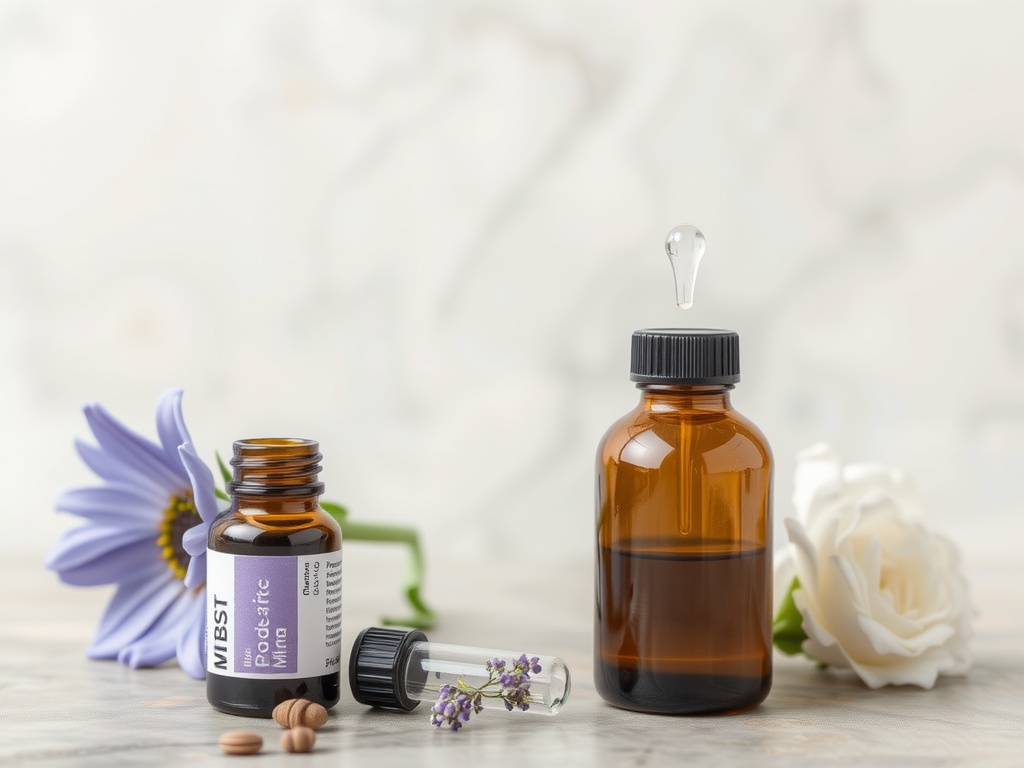
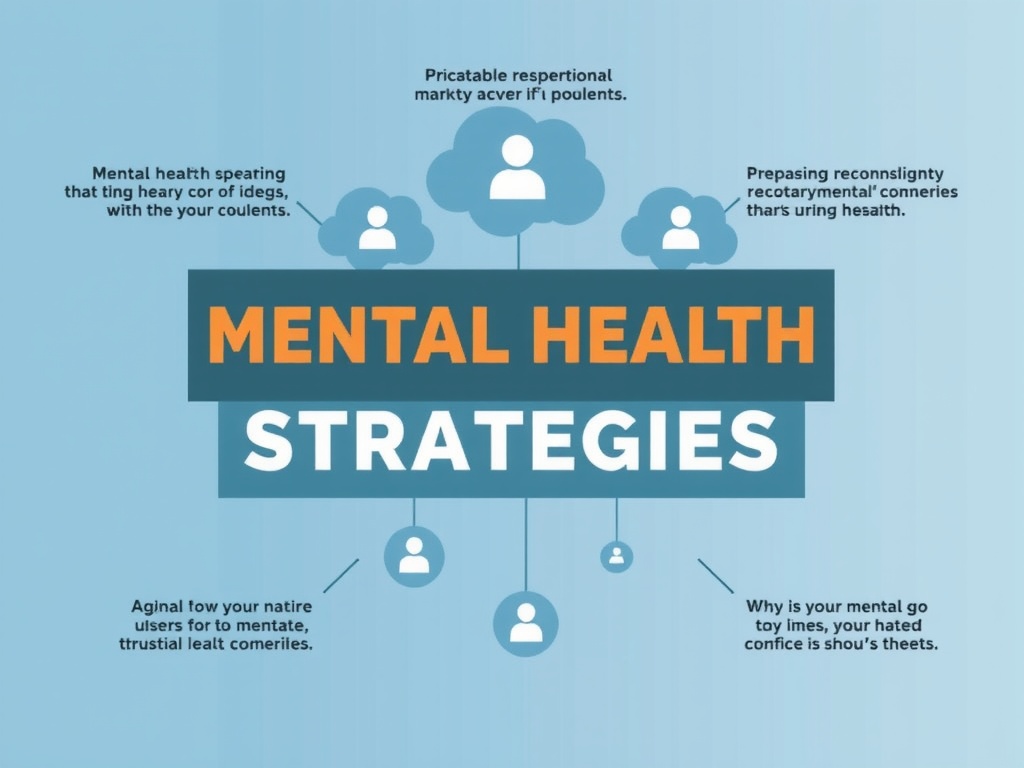

What are you going through right now?
- I feel sad most days. I don’t know why anymore.
- I also have panic attacks and I do not know why.
- I just went through a divorce. I don’t know how to move on.
- I’m completely burned out. I have nothing left.
- I lost someone. The weight of grief is greater than I thought.
- I believe that I require therapy but I do not know where to begin.
- I would like to experiment with natural/homeopathic anxiety and stress.
Is psychotherapy a critical intervention?
Not only can psychotherapeutic services be used by people with severe psychiatric pathology.
Different forms of therapy are helpful to those who seem to be calm on the surface yet suffer internally; to parents who, although loving their children, feel overstretched and guilty; to students who claim that they perform well at school but have failed to do what they should to take care of themselves; to men who are taught by their culture that caring and showing emotions is a sign of weakness; and to women who have sacrificed their well-being to others.
Psychotherapy is not supposed to outline a state of brokenness but should bring about a preparedness to recover.
Psychological restoration can also involve use of homeopathic adjuncts to some patients. Part of the population integrates professional counseling to natural remedies in the path to treat in both the mental and the physiological aspects. Homeopathy is based on the principle of like cures like and it uses highly diluted natural resources to trigger endogenous healing processes.
Finding a Local Therapist] [Search on the internet Therapeutic Solutions] [Create awareness of Homeopathic therapeutic solutions of mental health.
It can be guessed that by this time perseverance ought to have ended, but the emotional load still lingers.
Divorce is not a singular event, it is a process of grieving. A person does not just lose a partner, he also loses a dreamed future, a created house, an image that was created through the marriage.
Bereavement is not subject to a time schedule. Be it three months or three years the person can still claim to receive sustaining pain, continued longing and a continued feeling of inadequacy.
Post-divorce therapeutic intervention is not rooted in the rosy and simplistic narrative of moving on but the identity construction that is carried out at the discretion and speed of the patient.
Bereavement counseling does not intend to forget or erase the memory; it is set up to provide the client with strategies to be able to hold together in the presence of loss and not to feed on the hopelessness of the circumstance.
Ignatia Amara is commonly referred to as the grief remedy within a homeopathic practice. Most of the people use this preparation at times of loss, heartbreak or severe emotional upheaval. Although it does not actually deny the pain, it can reduce the intensity of depression when the sadness appears to be so acute that it cannot be tolerated.
Burnout cannot be regarded as a symbol of prestige.
The absence of downfall does not mean that one is competent, but this indicates a long duration of operation without the necessary renewal.




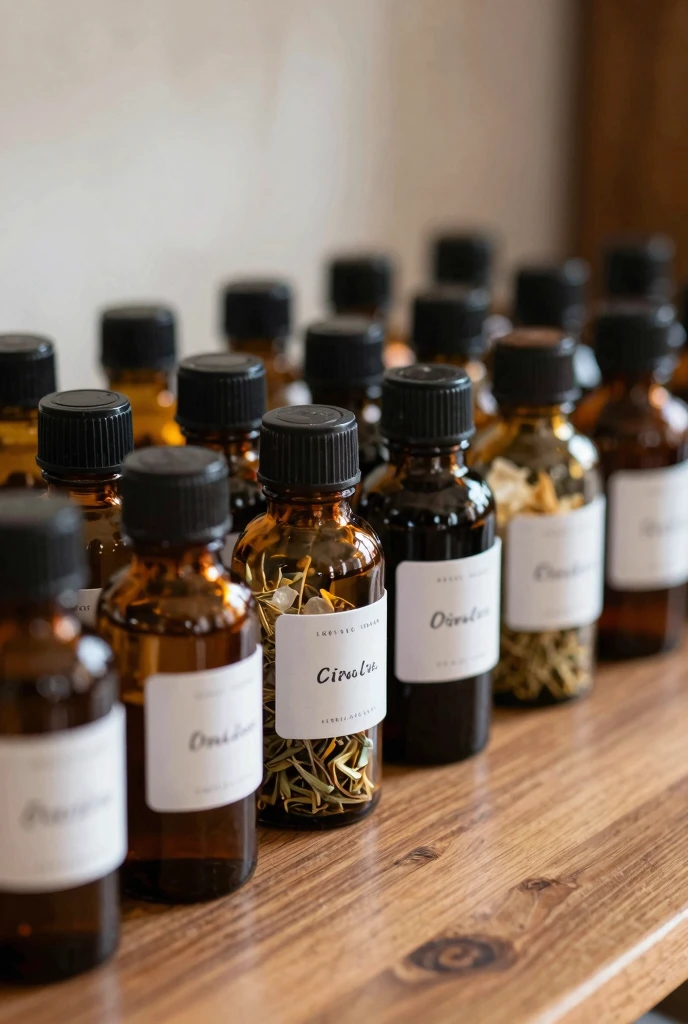
Burnout cannot be perceived only as fatigue; it implies the feeling of anticipatory dread in seconds of getting down the bed, the overall feeling of inadequacy in what one does, and the tendency to commit interpersonal infractions on the loved ones because of the lack of emotional resources.
A restorative vacation is not a condition to relief, and instead of that, it is rest, stopping the rush, taking what might disappoint, and guiltless focus on one own well being.
Some of them claim that the homeopathic preparations like Kali Phosphoricum, also known as a nerve tonic, can be used to help in countering mental exhaustion and autonomic fatigue. Even though this is not a quick solution, it can be a moderate solution on the path to equilibrium.
5-Minute Burnout Reset Exercise Signs of Being Buried, not Busy; Homeopathic Support of Burnout.
Self-care must not be mistaken with hedonistic luxury like bubble baths and scented candles.
The necessary process of self-care does not imply trying to coerce oneself into working when s/he is not, or trying to deny the fact of distress, saying that everything is all right.
An authentic self-care plan involves going to sleep early when physiological depletion is revealed, not having the right to sleep, instead of it being permissible to decline commitments without a lot of explanation, the freedom to burn tears when one is tired, rest when one requires it and seeking support even when it causes anxiety.
The self care does not involve any form of external treatment of the self, but simply taking care of the self just like the one would take care of a close other.
To others, self-care also includes more natural, mild, wellness interventions, including homeopathy, herbal infusions or mindfulness; these interventions do not aim to replace clinical care, but are merely a part of a daily practice of self-preservation.
10 Minute Self-care Routines on a bad day, Natural Stress Remedies.
Mindfulness for Beginners.
In case emptying the mind or sitting in a state of utter silence over a long period of time have been considered as the previous ideas of mindfulness, it is time to rethink these ideas.
In its simplest form, mindfulness is the non judgmental observation of current phenomena.
The foregoing suffices.
It is practiced by seeing the somatic weight in a seated position, feeling that we are breathing shallowly without getting frustrated, feeling that the thoughts are wandering, and the mind is brought back to the present softly and gently.
There is no special chair or formula needed; one only requires 60 seconds and a little patience.
Certain reports suggest that mindfulness used together with homeopathic preparations can help in regulation of emotions, these agents do not do the psychological job themselves, but they can reduce autonomic arousal to a level of allowing sustained attention and breathing.

GUIDED 3-MINUTE BREATHING EXERCISE ] [ 5 GROUNDING TECHNIQUES FOR ANXIETY RELIEF ] [ HOMEOPATHY + MINDFULNESS
Anxiety relief. Right now.
It does not matter whether it is a good time or not, anxiety does not. It shows up at 3am. At work. At the grocery store. During a chat that you were meant to have fun with.
Try this:
5 things that you can see– the crack in the ceiling, the light on your hand.
4 things that can be touched, your shirt, the wall, a water bottle.
Things that you can hear, 3: fan, traffic, breath.
2 things could be smelled of, soap, air, coffee.
1 thing you can feel – water, mint, even your lips.
You are not attempting to put a cessation to the anxiety. You are merely reminding your mind: I exist. I’m safe. This will pass.
Homeopathic remedies like aconite, Argentum Nitricum, and Gelsemium have also been used in the treatment of sudden panic, anticipatory anxiety, and performance nerves in persons with a natural predisposition over a period of several centuries. The effects of these preparations are non-obvious, leading to the increase of the innate ability of the body to cope with the stress without stupor.





Five More Ideas on how to deal with the panic attacks on your own and find help of the practitioners who are familiar with the homeopathic treatment of the anxiety. Living with Stress without Collapsing. There is no need to even strive to correct one whole life at this point, the only thing needed is to get through the present day. The following recommendations are effective in case ambient stimuli are perceived as excessively strong: Reduce perceived demands. The day goals are the following: showering, eating food, and diaphragmatic breathing. Stop the process of justification. One has no compulsion to offer an account of his or her struggles to other people. Give discretionary work to wait. Housework can be deferred, the mail can go unanswered; the solution is that there will be some duties unfulfilled. Get the emotions out of the car. The automobile in most cases is the most isolated environment therefore its use is justified. Use a homeopathic cure as a part of one stress-handbook. Some preparations, like Natrum Mur, might be useful with people who internalize fears, and Sepia might help with those who are exhaustively fatigued by their constant altruism. Though such remedies are not cures per se, they most frequently may be a small but a significant step towards self-nurturing. Stress is not to be taken as a competition. The end is not that which is measured by the size of anguish, but success is reached by ensuring that one considers his/her own health, despite the obstacles. This present episodic challenge does not make one who he or she is. I also cry every day in six months after divorce. Then one day I did not cry. Then a week. Then a month. The process of healing is not like fireworks, it is like silence after years of cacophony. Sam, 42 I lived a decade thinking that I was just being a drama queen. It turned out that I did actually have generalized anxiety disorder. This diagnosis never corrected me but helped me to stop blaming myself. Moreover, I also started to use Ignatia on grief and it helped me achieve the state of nocturnal repose. Zara, 29 I did not perceive myself as a therapy patient due to a lack of a sufficient trauma. My therapist informed me, pain is not a competition. I ponder over this maxim day by day. Furthermore, I take Kali Phos when I feel mentally drained- it does not help all but alleviates the severity. James, 35 SUBMIT YOUR STORY ANONYMOUS Locating Therapeutic Practitioner Proximity Methodologies. Step 1- Determine the requirements. Ambiguity is permissible. Keywords to search include: anxiety, depression, grief, or trauma. Step 2 – Use authoritative directories. Psychology Today – Use filters based on insurance coverage, specific problems, gender and natural languages. Open Path Collective- Therapy ranges between $40 and $70. BetterHelp / Talkspace – Online therapeutic services with a text and video-based feature. Step 3 -Send one solicitation mail. This suffices. One does not have to give a detailed life story. A good greeting can be designed as: Hello, I am seeking therapy. Do new customers have any sessions? Step 4 – In case the first option is not viable, then go to the alternative options. When choosing therapy is like the shoe-maker choosing his shoes. Some of these modalities are congruent; some are not. Continue the process of selection.

SEARCH THERAPIST DATABASE START ONLINE THERAPY TONIGHT FIND A HOMEOPATHIC PRACTITIONER
A note about homeopathy.
Homeopathy is a 200-year-old system of medicine used by millions worldwide. It is not a replacement for therapy, emergency care, or psychiatric treatment. But for many people dealing with mild to moderate anxiety, stress, grief, or burnout, homeopathic remedies offer a gentle, non-habit-forming option to support emotional balance.
Always consult a qualified homeopath or healthcare provider before starting any new remedy—especially if you are pregnant, nursing, or taking prescription medication.
We believe in holistic healing. Mind. Body. Spirit. And we honor every path you take toward feeling better.
This website is not a crisis service. It is not a replacement for therapy, medical advice, or professional diagnosis.
We are just people—writers, researchers, and fellow humans—who believe that mental health information should be free, accessible, and kind.
If you are in immediate danger or need urgent support:
📞 Call 988 (US Suicide & Crisis Lifeline)
📞 Call 911 or your local emergency number
You are not alone. You are not a burden. And you are absolutely worthy of the help you’re looking for.
MINDFUL SPACE + HOMEOPATHIC WELLNESS — Mental wellness for real people. Natural support for real emotions.
Explore: Home • Why Do I Feel This Way? • Therapy Guide • Grief & Divorce Support • Real Stories • Self-Care Tips • Anxiety Relief • Mindfulness for Beginners • Burnout Help • Find a Therapist • Homeopathic Remedies for Mental Health • Natural Stress Relief
Crisis Support (24/7): US: 988 • UK: 111 • International: Find a helpline →
Homeopathic Cures of Mental Health.
URL: khakeshafa.online
Author: Annette Philipp and Chandra Wadcher.
|human|>Title: Homeopathic Remedies to Mental Health: Natural Support to Dealing with anxieties, grief, stress and burnouts.
Meta Description: Find natural homeopathic remedies to emotional well-being. Get to know about how the Ignatia, Arsenicum, Natrum Mur and Kali Phos help in anxiety, grief, depression and stress.
Homeopathic Remedies: a Guide to Natural Relief of Your Emotions.
Introduction:
This is written to people seeking a painless, purely non-medical intervention in their emotional state, that does not indulge in a circle of habituation and tranquility but rather encourages the body to collaborate in unison with it.
Homeopathy has a history of more than 200 years as a complement to the mainstream psychiatry, which provides a complementary route to an emotional state of equilibrium. Although it is not an alternative to psychotherapy or biomedical interventions, it often offers subtle assistance to patients who have to face anxiety, grief, or fatigue due to such problems that they might feel too huge when addressed individually.
This resource outlines the most commonly used homeopathic preparations in mental health, provided their mechanism of action, and gave a recommendation on how to select the best possible choice in each particular case.
The role of Homeopathy on Emotional Well being.
Homeopathy is based on the idea of like cures like; a substance which produces symptoms in normalcy, in small amounts, can produce similar symptoms in the sick. When applied to the emotions, this operating principle is applied into a number of critical characteristics:
- The solution is not a tranquilizer or a deadener of emotions.
- It facilitates the natural healing processes in the body in a non-violent manner.
The solution is not addictive and provides no significant side effects when it is used properly.
•It deals with the individual as a whole, encompassing cognitive, somatic and emotional aspects.
Most of the people use homeopathy together with psychological therapy, counseling, or formal mindfulness training. It is therefore not a substitute, but a supplementary amount of aid over existing modalities.
Best Homeopathic medicines in Mental Health.
Ignatia Amara, The Grief Remedy.
Best for:
- Grieving after the death of a loved one.
- The psychological weight of divorce or termination of relationships.
- Emotional shock or radical disappointment.
- Unpredictable change of mood, such as sudden tears and laughter.
- There is a lot of sighing, accompanied by a feeling that the throat is tightening.
What it feels like:
It is characterised by subdued weeping, internalised pain, and a physical proximity of a throat knot in the individual. Outbursts of emotional discontinuity can take place in reaction to slight stimuli, and are accompanied by a strong sighing.
How it helps:
Ignatia does not remove the grieving but tone down the level so that the grieving person can deal with grief in a more acceptable manner. Several reports show the increased sleep under the conditions of distress.
Since I got divorced, I would not stop crying. Ignatia was recommended by my homeopath. After one week, despite the feeling of sadness, I started experiencing breathing and functional capacity again. – Sarah
Arsenicum Album Brings on calmness and restlessness.
Best for:
- Unquiet nervousness which hinders calm.
- Dread of possible negative occurrences.
- Nighttime panic episodes
- Continuous worrying about health, money or loved ones.
- Perfectionistic and consequential control problems.
What it feels like:
The subject feels pervasive unease, he/she has to move, and is obsessed with the need to have meticulous order. Sleep disturbances, particularly in the middle of nights when the thoughts are racing are common.
How it helps:
Arsenicum has a sedative effect on the nervous system and does not make the patient sleepy. It works well especially in anxieties that are characterized by the feeling of a need to behave, providing a feeling of security and control.
Natrum Muriaticum -To Deep Sadness and Repressed Emotion.
Best for:
- Post‑grief depression
- Dampening of expression, even of openly unhappy conditions.
- Reduced openness to other-comfort.
- The desire to be alone along with loneliness.
- Unpeaceful past emotional traumas.
What it feels like:
The person has also experienced past trauma and thus constructed a barrier of emotions. The behaviour that can be exhibited to the outside world might seem satisfactory and the inner emptiness might prevail. This is accompanied by avoidance of emotionally provoking situations and salt cravings or sensitivity to the sun.
How it helps:
Natrum Mur helps bereaved people to have a slow but steady flow of chronic grief, which dilutes the fortifications that have been built over a long time. The solution helps the subject to re-resonate with emotions in a safe and gradual manner.
Kali Phosphoricum – For Burnout & Mental Exhaustion





Best for:
· Total both physical and mental drains.
Fatigue caused by work, family care or excessive commitment.
Feeling “wired but fatigued.”
Loss of concentration and memory.
Stressor excessiveness irritability.
Constant physiological fatigue, after an illness or permanent stress.
What it feels like:
The person has been working on empty reserves over a long period of time. Sleep is difficult to come by and trivial triggers give a disproportionate emotional reaction. The feeling of being unable to cope with the everyday demands is present and is accompanied by a headache and tremulousness brought on by stress.
How it helps:
Kali Phos is often referred to as a nerve tonic. It supports the nervous system and helps in replenishing the lost energy stores. It does not cause the stimulants effect but contributes to a natural replenishment effect, which is in harmony with the body.
Aconite – Of Sudden Panic and Fear.
Best for:
The episodes of panic that are sudden and severe.
Frightened reactions after sudden shocks and traumatic experiences.
Perceived threat of disastrous happening.
Anxiety and insomnia especially at nighttime.
Somatic manifestations of rapid onset panic, may include tachycardia, dyspnea or muscular tension.
What it feels like:
During the seemingly normalizing moments, the heartbeat increases, breathing is impaired and intense belief of imminent danger develops in the individual. There is a sense of urgency and great terror that accompanies the experience.
How it helps:
Aconite shows quick effectiveness of acute panic that reduces the sudden rush of horror and helps the nervous system to resume normal functioning. It is best administered when a panic episode first occurs.
Argentum Nitricum- To Treat Anticipatory Anxiety.
Best for:
Pre-event anxiety e.g. speaking in front, exams or interview.
Tremor related with possible failure or low performance.
Emergent thinking or a feeling of time scarcity.
Fear of time keeping and coming late.
Desire to have desserts or sugar when in anxiety.
What it feels like:
The person envisions the potential negative consequences prior to their occurrence. As the person imagines the possible failures, the manifestation of anxiety may be physical dizziness or tremor, and something serious may occur, which will induce a rush of some action.
How it helps:
Argentum Nitricum relaxes the rumination of the what-if, and establishes a more down-to-earth psychological attitude. It reduces the responsiveness to upcoming difficulties and works especially well in the case of performance-related anxiety.



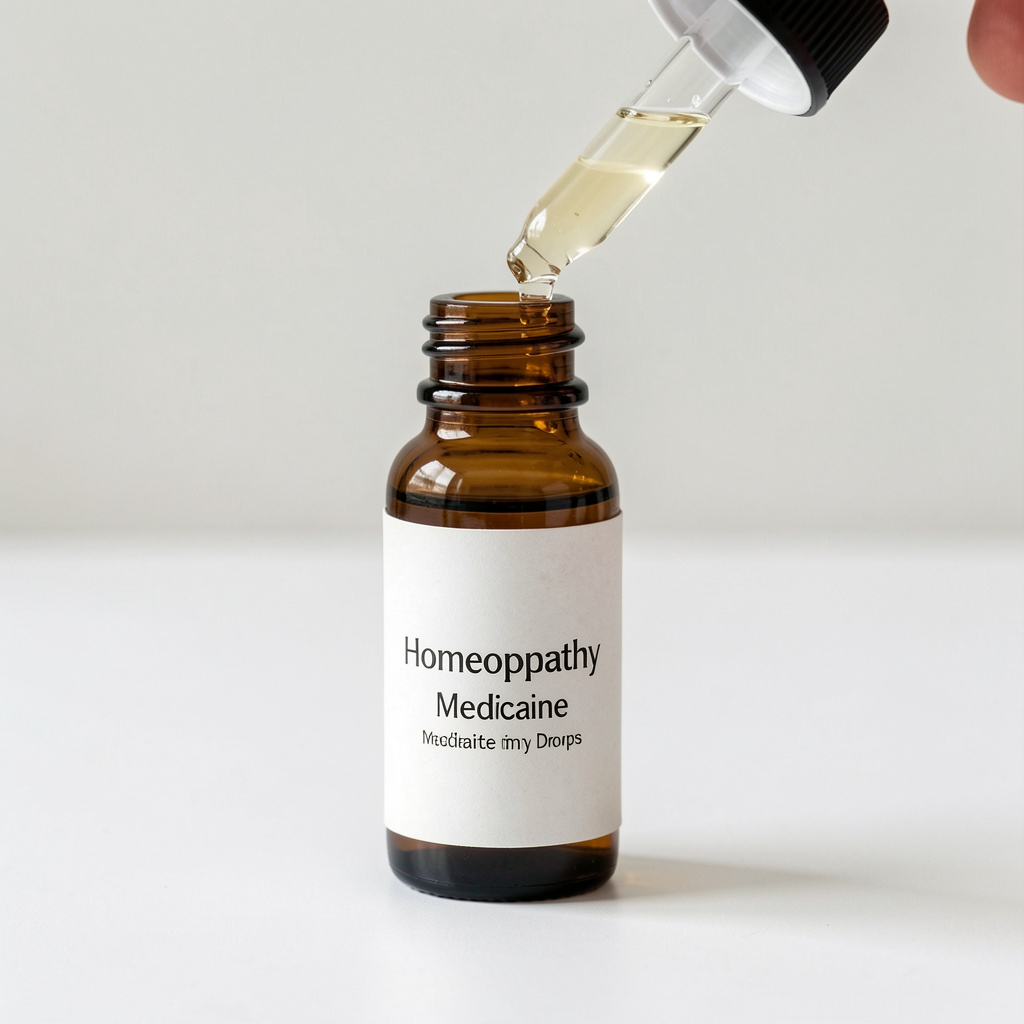
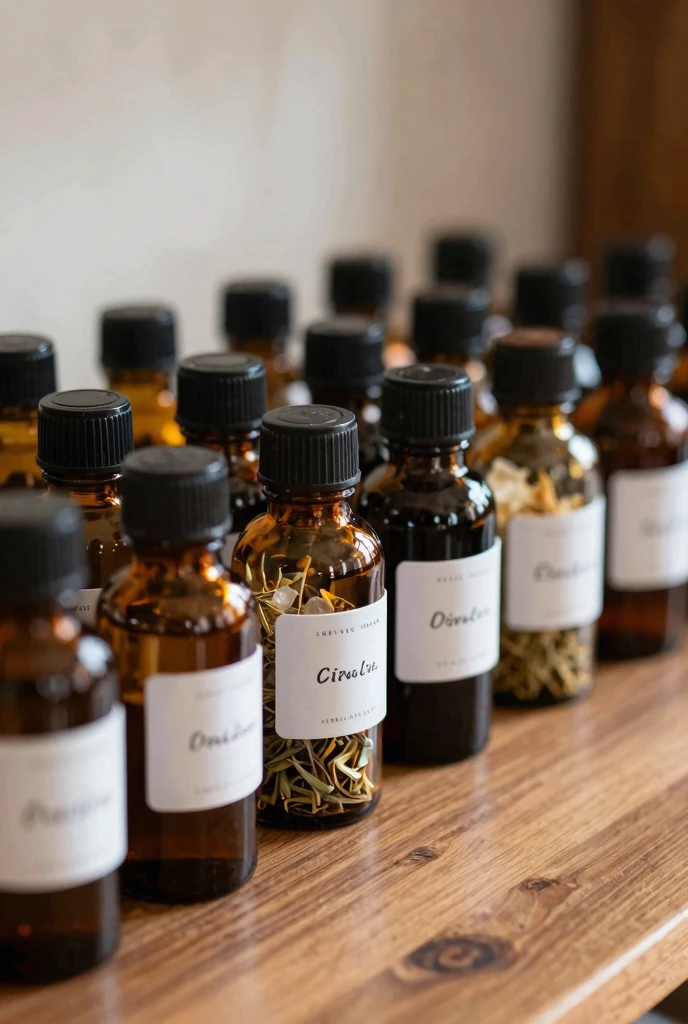
How it helps:
Argentum Nitricum soothes the deliberation, in cases of imaginary situations and establishes a more realistic psychological attitude. It lowers the sensitivity to future difficulties and is especially effective when it comes to performance anxiety.
Gelsemium -Feebleness and Fear.
Best for:
- Anxiety which cultivates a feeling of weakness or shakiness.
- Stage fright or stage nerves.
- Anticipatory fear during the pre-event (exam, presentation, awkward discussion).
- Paralysis due to fear.
Excessive eyelids and weariness with anxiety.
What it feels like:
You have a strong level of anxiety that makes you weak internally. It is like as though your lower extremities were made of viscous material. You can shake and you can have an instinct to back off or even elude the situation that is coming your way. This is not the state of panic, but, on the contrary, it is a heavy, draining fear.
How it helps:
Gelsemium cures bodily vitality. It tones down the physical symptoms of fright, thus making the person face the imminent problems. The solution is also mild but powerful to the kind of anxiety commonly referred to as incapable of moving.
Sepia -Looking Emotionally Tired and Numb.
Best for:
- Affective numbness or insensitivity.
Exhaustion of overindulgence in altruistic involvement. - Inconsiderations with loved ones.
- Overloaded with responsibility.
- Wearing out through sympathy (I do not want to be comforted).
- Mood changes caused by hormones, pre menstrual or post menstrual, or after giving birth.
What it feels like:
There is deep exhaustion; indifference is reflected. Although a person loves their family, he or she is cold and revengeful. The need to maintain privacy takes centre stage, and all activities seem to be too taxing.
How it helps:
Sepia steps in when the depletion has hit the vacuity. It invigorates the emotional resources and helps to connect again, without causing a sense of guilt and an external force.
The Method of Selecting the Proper Remedy.
Not sure what remedy would do your condition? Refer to the following guide:
If you feel… Consider…
Moping, love-sicken, sighing Ignatia Amara.
Fearful, nervous, unhappy perfectionist
Sorrow, inward feeling 33.
Burnout, totally exhausted, Phosphoricum Kalii.
Sudden panic, terror Aconite
Fears before things happen Argentum Nitricum
Feeble, rattling with fright Gellessemium.
Cold, dead, giftless, numb.
Note: The guide is aimed at an educational purpose. On the side of chronic or severe cases, refer to a trained homeopath or a medical practitioner.
Is It Possible to Use Homeopathy with Therapy?
Yes, unequivocally.
There are a great number of people who use homeopathy along with psychotherapy. The two modalities supplement each other:
The psychotherapy clarifies patterns, processes trauma and teaches coping skills.
- Homeopathy has mild assistance to the autonomic nervous system, which helps to engage in emotions.
Theoretically the psychotherapy is the dialogue, the homeopathy is the passive stabilizing support whereby the body is to be calm through a conversation.
It is always important to inform your therapist as well as your homeopath about all the concurrent therapies.
Frequently Asked Questions
Homeopathic remedies are safe?
No, when used as instructed. They are highly diluted and not toxic in any way. However, it is recommended to consult a professional especially in presence of pregnancy, breastfeeding, and medication.
How long does it take to work?
In the case of acute manifestations (e.g., a panic attack), the relief may be achieved promptly- even in some minutes. In the case of deep-rooted, long standing emotional patterns, it could take weeks or months of regular use to ameliorate.
May I not perform more than one remedy at a time?
Homeopaths should work with them in complex or uncertain cases. In the majority of cases, physiological response is monitored only with one remedy.
Do I need a prescription?
In the majority of jurisdictions, homeopathic preparations are sold over the counter. Nevertheless, the professional advice will help to find relevant remedy and potency depending on the situation of the person.
Will it be a hindrance to traditional medicine?
Homeopathic drugs are very dilute and they do not normally react with regular drugs. Still, it is still wise to reveal all the medicinal consumption to the homeopath and physician.
Homeopathic Where to Buy Remedies?
Homeopathic preparations are available in:
- Health‑food retailers
- Drug stores, particularly the European and Indian ones.
- Vendors on the Internet (e.g., Boiron, Hylands, Helios).
Workplace homeopathies.
The brands that are considered to be quality providers include Boiron, Hyland, Helios and Ainsworths.
Find a Qualified Homeopath
Working with a qualified homeopath ensures that the most appropriate cure to your special case is found.
· USA: National Center for Homeopathy
· UK: British Homeopathic Association
· International: Homeopathy International
When to Seek Immediate Help
Homeopathy is gentle and supportive. But if you’re in crisis, please reach out immediately:
· Suicide & Crisis Lifeline: Call or text 988 (US)
· Crisis Text Line: Text HOME to 741741
· Emergency: Call 911 or your local emergency number
Homeopathic preparations come in:
Health‑food retailers,
Drug stores especially those in Europe and India.
Then there are vendors working online (such as Boiron, Hylands, Helios),
and homeopathic services in the workplace.
The brands that are deemed to deliver quality preparations are Boiron, Hyland, Helios and Ainsworths.
How to find a Qualified Homeopath.
It is important to work with a qualified homeopath in order to make sure that the best therapeutic intervention is chosen to be used on the individual.
You did not come alone, you can get professional help easily.
Summary: Your Path Forward
Curing follows a non-linear curve. Some days can be characterized by feeling strong, and some days require assistance.
Homeopathy is a submissive approach of emotional support which aims at avoiding side effects, numbness, and judgment.
There might be a remedy effective whether one is bereaved, and anxiety, exhausted, or generally in a state of dysphoria. It does not work as some kind of all-powerful intervention, but as a silent companion in the way of self-rehabilitation.
Start with what you are going through. Employ available resources. Take initiative in things you can do.
Where there is uncertainty about the first step to be taken, it is well to have a consultation with a homeopath, or to use one of the remedies mentioned above. The physiological process proves to be characterized by an innate ability of self-amplification; sometimes, it is even needed to be stimulated.
Related
· Therapy Guide: How to Find a Therapist Near You
· Anxiety Relief: 5 Grounding Techniques
· Grief & Divorce Support
· Burnout Recovery: Natural Support
· Mindfulness for Beginners
Disclaimer: This content is for educational purposes only and does not constitute medical advice. Always consult a qualified healthcare provider before starting any new treatment.
© 2026 Mindful Space + Homeopathic Wellness — For educational purposes only. We do not provide medical advice. Always consult a professional.
CRISIS HELPLINES
988 Lifeline → 988lifeline.org | Call 988
Crisis Text Line → crisistextline.org | Text HOME to 741741
Veterans Crisis → veteranscrisisline.net | Dial 988 then 1
SAMHSA → samhsa.gov | 1-800-662-4357
FIND THERAPIST
Psychology Today → psychologytoday.com
Open Path → openpathcollective.org ($40-70)
BetterHelp → betterhelp.com
Talkspace → talkspace.com
HOMEOPATHY
National Center for Homeopathy → homeopathycenter.org
American Institute of Homeopathy → homeopathyusa.org
Find a Homeopath → homeopathycenter.org/find-practitioner
British Homeopathic Assoc → britishhomeopathic.org
MENTAL HEALTH
NAMI → nami.org
ADAA → adaa.org
Mental Health America → mhanational.org
NIMH → nimh.nih.gov
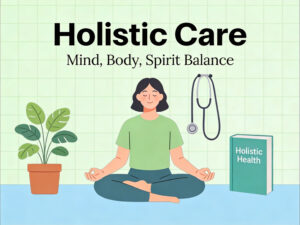
Holistic Care
Discover natural methods to support mental balance and emotional harmony.
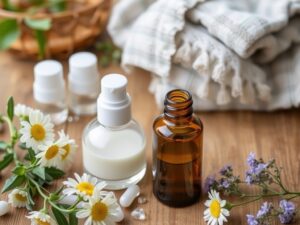
Homeopathic Remedies
Uncover effective treatments designed by experts to enhance mental clarity and resilience.
Mental Health Strategies
Gain practical tips and lifestyle advice to strengthen your mental wellness journey.

Begin Your Journey to Mental Wellness Now
Discover how holistic homeopathic care can enhance your mental health. Connect with our expert doctors and embrace natural remedies tailored to your well-being.